

What does thermal spring water do in skincare?
Thermal spring water is mineral-rich water drawn from protected underground springs. In skincare it soothes and comforts sensitive, reactive skin, thanks to trace minerals such as selenium, zinc, magnesium, silica and bicarbonates. Alone it is a calming mist, not a moisturiser. Its real value is as a formulation base.
Key takeaways
- Thermal spring water is groundwater. What sets it apart is the minerals it dissolved out of the rock on the way up, minerals that plain, distilled and tap water do not carry.
- Its most reliable effect is comfort. It calms the look and feel of redness and heat on reactive skin, with no fragrance, surfactant or active to react to.
- The minerals sit at low, dilute doses. A mist comforts. It does not treat.
- Left to dry on its own, a mist can leave skin slightly drier than before. Always seal it with a moisturiser over damp skin.
- Thermal water matters most as the water base of a cream, not as a standalone spritz. That is exactly how a sensitive-skin range uses it.
On this page
- What is thermal spring water and how is it different from normal water?
- Which facial water is which
- What does thermal spring water actually do for skin?
- Which minerals matter and why?
- Is thermal water just an expensive mist, or does it do more?
- Is it good for sensitive skin, redness, or after sun and treatments?
- Can you use it every day?
By the SKEYNDOR Australia Education Team. SKEYNDOR has formulated professional skincare since 1966, 60 years of laboratory work behind the trained skin therapists who write these answers.
Last reviewed: July 2026.
What is thermal spring water and how is it different from normal water?
Read the label on a bottle of thermal water and it tells you next to nothing. The water inside may have fallen as rain before your grandparents were born. Genuine thermal spring water starts as rain or snowmelt. It seeps down through layers of rock, sometimes over decades, sometimes over centuries. Two things happen on the way. Geothermal heat warms it, which is where the word "thermal" comes from. And the rock slowly dissolves into it, loading the water with minerals and trace elements it would never pick up sitting in a reservoir.
By the time that water re-emerges at a spring, it carries a mineral signature unique to the geology it crossed. Volcanic rock leaves it rich in silica. Limestone gives it calcium and bicarbonates. Selenium-bearing rock gives selenium-rich water. No two mineral springs are the same. That is why brands built around a single source guard its composition so closely. Two famous French pharmacy houses have built entire sensitive-skin empires on this one idea, each around its own protected source.
The other difference is purity. The springs used in skincare are protected, monitored and processed under controlled conditions, so the water reaches your skin with its minerals intact and no additives. Tap water is treated with chlorine. It can carry hard-water minerals in forms that leave sensitive skin feeling tight or itchy. Distilled water goes the other way. It is clean, and it is empty.
Normal water cleans and wets the skin. Thermal spring water does that too. It also carries a dilute, skin-compatible dose of minerals, and those minerals give it a function beyond wetness. That mineral fingerprint is the whole difference between it and empty distilled water or treated tap water.
Which facial water is which
The word "water" hides four different products. Shoppers mix them up, buy the wrong one, then blame their skin. One table settles the category.
| Water | What it is | Main job | Best for | Watch-out |
|---|---|---|---|---|
| Thermal spring water | Mineral-rich groundwater from a protected spring, no additives | Soothe and comfort; base of calming formulations | Sensitive, reactive, flushed or post-treatment skin | A standalone mist can dry you out if not sealed with moisturiser |
| Micellar water | Purified water plus mild surfactants (micelles) | Lift oil and makeup, a rinse-free cleanser | Quick cleansing, low-water routines, travel | It is a cleanser, so wipe or rinse; leaving surfactants on can irritate |
| Rose / floral water | Floral distillate (hydrosol), naturally fragranced | Light scent, mild toning and refresh | Skin that enjoys aromatics and tolerates fragrance | Fragrance compounds can sting very reactive skin |
| Plain / distilled water | Purified water, minerals removed | Wets and rinses, a neutral solvent | Diluting or rinsing, not a skincare active | "Empty" water; can pull moisture out as it evaporates |
If your skin is sensitive or reactive, thermal spring water and micellar water do opposite jobs. One comforts. One cleanses. Neither replaces a moisturiser.

What does thermal spring water actually do for skin?
Put it on skin that feels hot, tight, itchy or reactive and the first thing you notice is comfort. That is the consistent, observable effect. Part of it is physics: a fine cool mist pulls heat off the skin surface. Part of it is chemistry. The mineral profile of thermal water sits closer to the skin's own environment than tap water does, so it tends not to trigger the stinging that reactive skin reports with ordinary water. Some faces seem to react to water itself. Switch that skin off hard tap water onto a mineral-balanced one and the stinging often settles first.
In cosmetic terms, thermal spring water is used to:
- Calm the look and feel of redness. Skin that flushes easily, or reacts to heat, wind, air conditioning or a new product, tends to feel visibly and physically settled after application.
- Support barrier comfort. Sensitive skin usually has a barrier that lets too much water out, a process called transepidermal water loss, and too many irritants in. Thermal water does not rebuild that barrier. It creates a gentler surface environment while the barrier-repair ingredients in a cream do the structural work. If your skin flares with the seasons, the mechanics are the same ones we cover in why your skin gets worse in winter.
- Reduce the sting factor. For skin that reacts to almost everything, a formulation built on thermal water rather than plain purified water is more comfortable to wear.
- Refresh without disturbing. Mid-flight, post-gym, or over makeup, it rewets the surface with no surfactants, fragrance or actives.
What it does not do matters just as much. We get to that below.

Which minerals matter and why?
This is where thermal water stops being marketing and starts being chemistry. The exact profile varies spring by spring. These are the minerals that show up again and again in thermal waters used for skincare, at a glance, each with its honest note attached.
| Mineral | Plausible cosmetic role | Honest note |
|---|---|---|
| Selenium | Antioxidant association; the body uses it to build glutathione peroxidase, an enzyme that helps neutralise reactive oxygen from UV and pollution | The most studied of the group, but the dose in water is dilute, not a therapeutic supplement |
| Zinc | Soothing, settling feel on the skin surface | Same element behind zinc oxide in sunscreens, which shows how well skin tolerates it; here it is a trace salt |
| Magnesium | Comfort and barrier support; tied to barrier function and cell turnover | Centuries of "feels good to bathe in" tradition, but surface cosmetic effect, not internal repletion |
| Silica | The slightly silky slip that distilled water lacks; from volcanic and siliceous rock | Popularly linked to skin, hair and nails; the skin-surface benefit is feel, not structural building |
| Bicarbonates | pH buffers that resist swings away from skin's mildly acidic range | A gentler rinse and formulation base, not an active treatment |
A few profiles also carry calcium, which helps regulate how skin cells mature as they move up through the epidermis, and potassium, which is central to how cells manage their water balance.
One honest caveat covers the whole table. These minerals are present at low, dilute concentrations. Nobody should tell you a mist delivers a therapeutic dose of selenium. The fair claim is smaller and still worth making: a mineral profile that skin recognises and tolerates, rather than blank water or harsh water.
The minerals are real and skin-compatible. Their job here is comfort and tolerance, not a clinical dose, and any honest brand will say so.
Is thermal water just an expensive mist, or does it do more?
Most brand websites will not give you this straight.
As a standalone mist, the evidence for thermal spring water is modest. It soothes and cools the surface, and it refreshes. Sensitive skin does tend to prefer it to tap water. Those are real benefits, and humble ones. Spritz it on and walk away and you have applied very good water. There is a genuine catch worth naming as a rule.
Tip 1, the "mist and seal" technique. Water on the skin evaporates. As it evaporates it can pull some of your skin's own moisture along with it, the very transepidermal water loss you are trying to reduce. A mist left to dry on its own can leave skin slightly drier than before. The fix is a habit worth keeping: mist, then seal. Apply your serum or moisturiser over damp skin within a minute or so. A humectant draws the surface water in and the cream locks it there, instead of letting it evaporate off.
It also helps to be clear about what a mist treats. Misting addresses dehydration, a lack of water. It does nothing for dryness, a lack of oil. Two different problems with two different fixes, and we unpack that fully in dehydrated versus dry skin.
Tip 2, water as formulation base. The stronger case for thermal water is not the mist at all. Water is the single largest ingredient in almost any cream, gel, serum or ampoule, often more than half the formula, and it is the ingredient nobody talks about. Build the formula on mineral-rich thermal water instead of purified water and every application carries that mineral profile onto the skin, held there by the emulsifiers, humectants and lipids of the cream rather than evaporating off. The water stops being filler. It becomes a functional ingredient. That is the difference between a nice mist and a serious sensitive-skin range. In a good formula the minerals arrive alongside water-binding molecules that hold moisture in the skin, the same class of structures we explain in what proteoglycans do in skincare.
So, expensive mist or more? As a mist alone, it is a pleasant comfort tool. Inside a well-built formulation, it is one of the most sensible foundations a sensitive-skin product can have.
Judge thermal water by the cream it forms the base of, not by the spray bottle. And never let a mist dry on its own.

Is it good for sensitive skin, redness, or after sun and treatments?
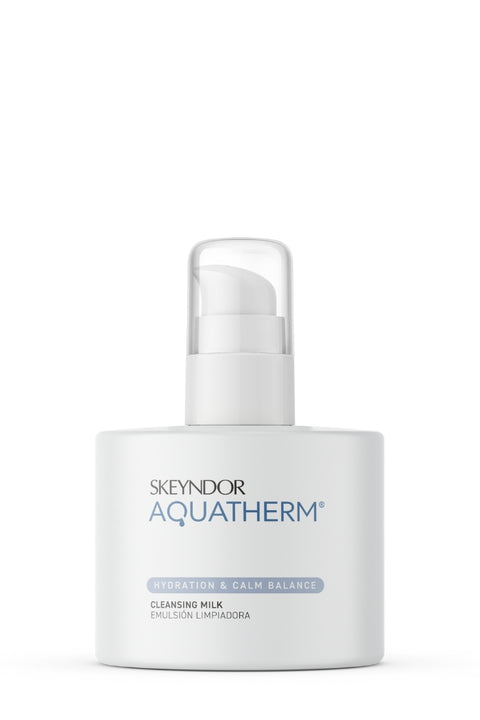
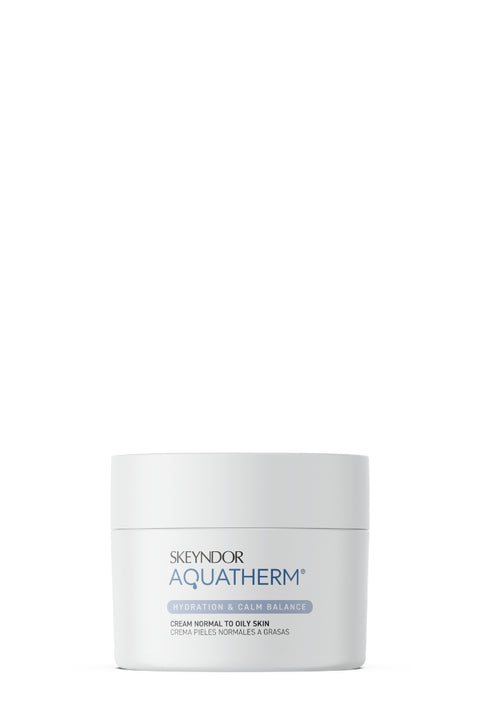
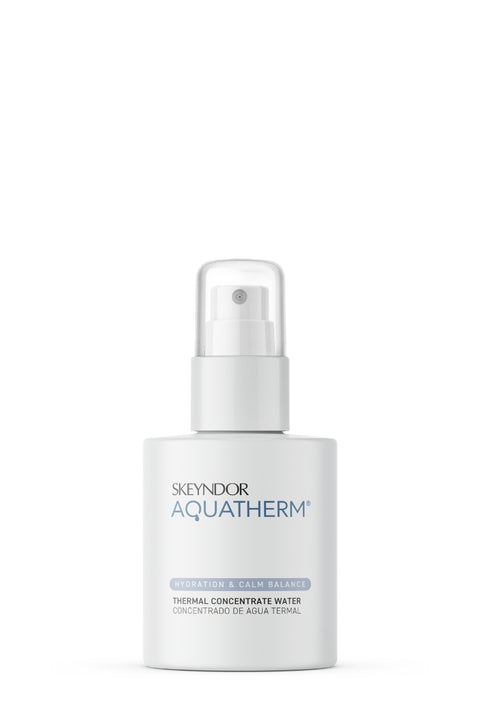
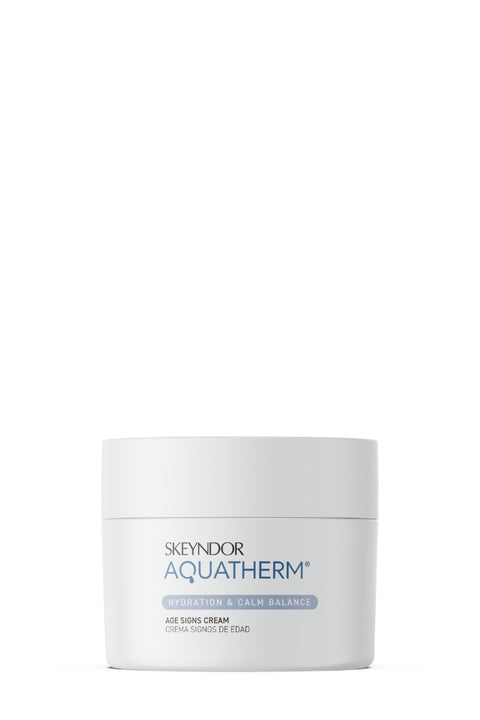
This is where thermal spring water earns its keep. It is exactly the territory SKEYNDOR built its Aquatherm range for.
Sensitive and reactive skin. Skin that stings, flushes or protests at ordinary products needs two things: fewer triggers and more comfort. Thermal water delivers both. There is no fragrance, no surfactant and no active ingredient to react to, and its mineral balance makes it inherently gentle. If a medical condition sits behind persistent redness or irritation, that is a conversation for your GP or dermatologist. Thermal-water skincare is daily cosmetic comfort, not treatment.
Visible redness and heat. Flushed, overheated skin, whether from wind, exercise, spice or a hot Australian afternoon, settles noticeably faster with a cool mineral mist followed by a calming moisturiser.
After sun. Skin that has spent a day outdoors is warm, dehydrated and often a little reactive. A thermal mist takes the heat out. A soothing cream over the top restores comfort. Customers of SKEYNDOR's thermal products consistently describe them as very gentle and ideal for sensitive skin, say they soothe redness and irritation, and many reach for them specifically during and after tanning.
After professional treatments. Post-facial, post-peel and post-device skin is temporarily more permeable and more reactive. Freshly worked skin pinks up fast and drinks in whatever you apply. This is precisely when therapists reach for thermal-water formulations, because calm, mineral-rich, low-trigger hydration is exactly what it wants.
SKEYNDOR's Aquatherm line is the house's thermal spring water range, formulated for sensitive, reactive, dehydrated and barrier-compromised skin, with soothing and hydrating as its whole reason for existing. Sixty years of formulation, 4,500 registered formulas, and this is still the range the house points sensitive skin towards first.
Can you use it every day?
Yes, and this is one of thermal water's genuine advantages. It has no exfoliating acids, no retinoids and no fragrance load, and no ceiling on how often you reach for it. You cannot overdo it the way you can overdo actives.
A sensible daily pattern:
- Morning: mist after cleansing, apply serum and moisturiser over damp skin, then SPF.
- Evening: mist after cleansing, seal with your night cream.
- As needed: over makeup to refresh, after exercise, on flights, after sun, or whenever skin feels hot or tight.
The only mistake to avoid is the one flagged earlier: repeated misting with nothing sealed over the top, especially in dry air, air conditioning or aeroplane cabins, where evaporation is fastest. Mist and seal. That is the entire technique.
Why this matters for your skin
If your skin is sensitive, reactive or easily dehydrated, the base everything is dissolved in matters more than the ingredient list. Most products are built on blank purified water. Thermal-water products are built on a mineral profile your skin recognises, which is why they feel calmer from the first application. Get the base right, then seal the water in rather than letting it evaporate. That is one of the simplest upgrades a sensitive-skin routine can make. Small change, felt daily.
Frequently asked questions
Is thermal spring water the same as micellar water? No. Micellar water is purified water plus mild surfactants, tiny cleansing molecules that lift oil and makeup, so it is a cleanser. Thermal spring water contains no surfactants at all. It is naturally mineral-rich water used to soothe and refresh skin, or as the base of calming formulations. One removes, the other comforts.
Can thermal spring water replace my moisturiser? No. Water alone cannot hold itself in the skin, and mist left to evaporate can leave skin slightly drier than before. Thermal water refreshes and calms, but it needs a moisturiser over the top to trap that water. It is the first half of hydration, never the whole job.
Does thermal water help with redness? It helps calm the look and feel of redness in a cosmetic sense. The cool mist takes heat off the surface and the mineral profile is gentle on reactive skin. If persistent redness has a medical cause, see your GP or dermatologist. Thermal water is comfort care, not a treatment.
Is thermal water good after sun exposure? Yes, it is one of its best uses. Sun-warmed skin is hot, dehydrated and reactive, and a cool mineral mist settles it quickly. Follow with a soothing moisturiser to seal the water in. Users of thermal-water products often reach for them specifically during and after tanning.
What is the difference between thermal water and rose water? Thermal water is spring water valued for its dissolved minerals and its gentleness. Rose water is a floral distillate valued for scent and mild toning. Rose water's fragrance compounds can bother very reactive skin, while thermal water is fragrance-free by nature, which is why sensitive-skin ranges choose it.
Can thermal water sting or irritate sensitive skin? It is among the least likely products to. There is no fragrance, alcohol or active ingredient to react to, and its mineral balance is close to what skin tolerates naturally. If plain tap water makes your face sting, a thermal mist will usually feel noticeably gentler.
Thermal spring water works best when the whole routine around it is built for sensitive skin. SKEYNDOR's Aquatherm range carries thermal spring water through calming, hydrating care for sensitive, reactive and dehydrated skin. Explore Aquatherm on skeyndor.au, or find your nearest SKEYNDOR clinic in Australia and have a facialist match it to your skin properly.
Not sure what your skin needs?
Two minutes with SKIN IQ maps your skin and matches the routine to it. No guesswork.
Take the skin quizBefore You Go…
Here are a few handpicked articles to inspire your next self-care moment.


